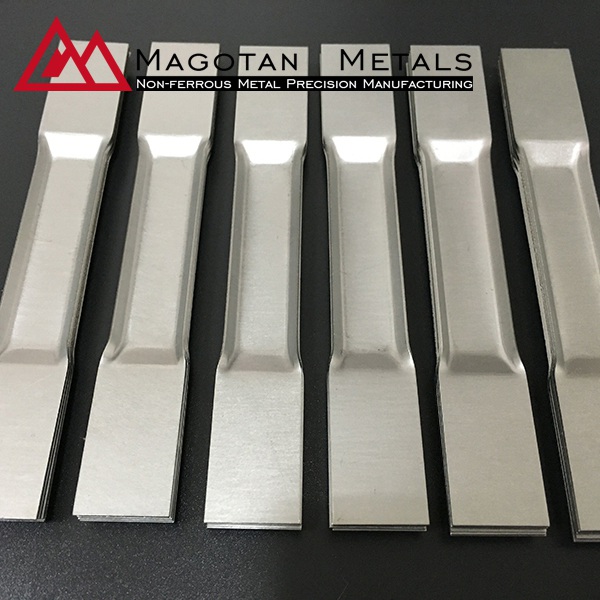
The global semiconductor industry is undergoing a pivotal shift—accelerating adoption of wide-bandgap materials like gallium nitride (GaN) and silicon carbide (SiC) to meet the demand for higher-performance, more energy-efficient devices. At the heart of this transition lies Metal-Organic Chemical Vapor Deposition (MOCVD) technology: the backbone of epitaxial growth for these advanced materials, and a process that accounts for over 60% of the total cost in the epitaxy segment.
Yet MOCVD’s ability to produce high-quality semiconductor films depends entirely on its components’ ability to withstand extreme operating conditions. The process operates at temperatures ranging from 200°C to 1200°C, while exposing parts to highly corrosive gases such as ammonia and hydrides. These uncompromising conditions demand components that combine exceptional durability, thermal control, and chemical resistance—requirements that have made refractory metals the material of choice for high-performance MOCVD parts. Our custom-engineered refractory metal solutions are specifically designed to meet these demands, powering the next generation of MOCVD-driven semiconductor innovation.
Why Refractory Metals Dominate MOCVD Component Design
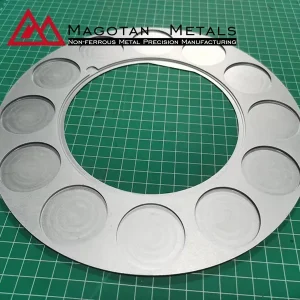
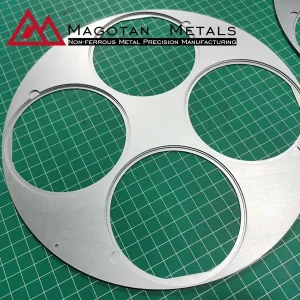
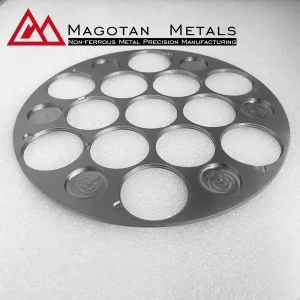
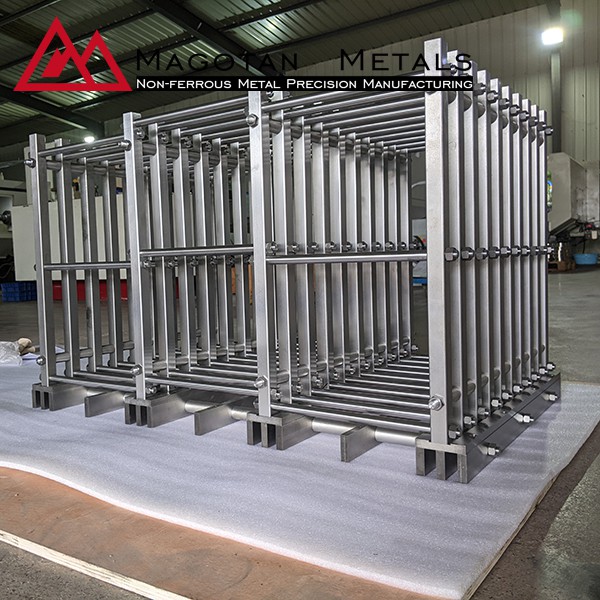
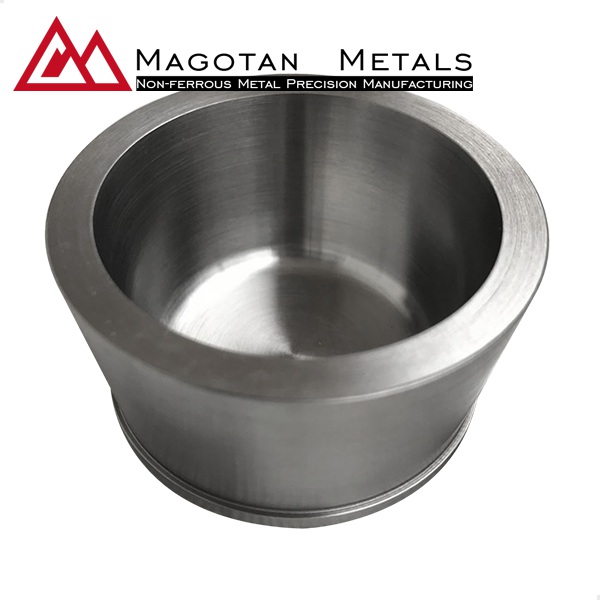
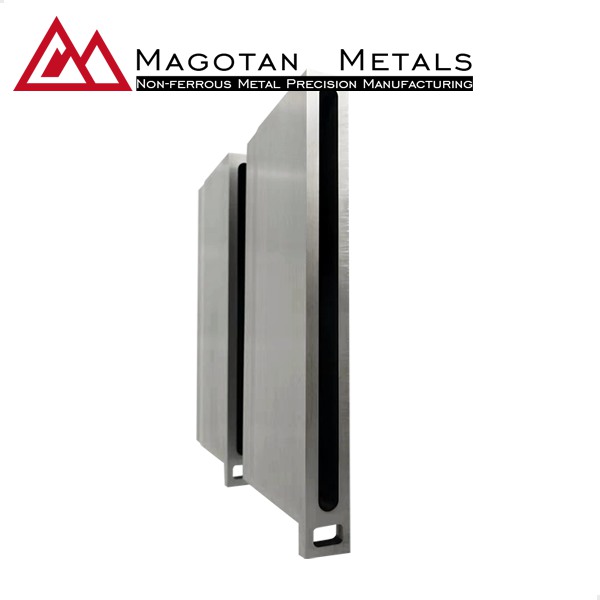
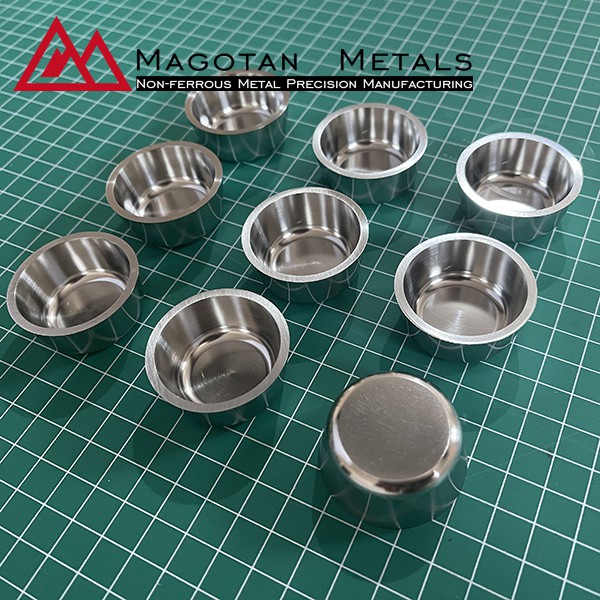
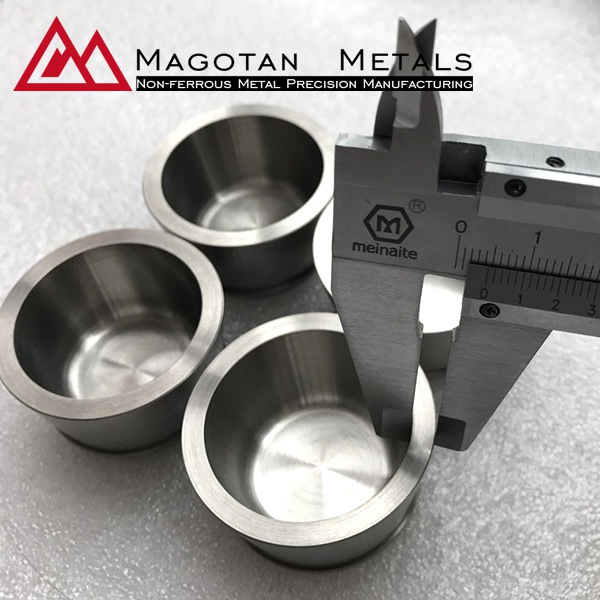
MOCVD systems rely on two non-negotiable factors to produce defect-free semiconductor films: precise thermal control and robust chemical resistance. Critical components—including heaters, susceptors, and gas distribution plates—are increasingly fabricated from high-purity refractory metals (tungsten, molybdenum, tantalum) because these materials deliver unparalleled performance that aligns with MOCVD’s strict requirements.
Extreme Thermal Stability
Refractory metals boast melting points exceeding 2000°C, ensuring they resist deformation even during prolonged operation at MOCVD’s core temperatures (1000+°C). This stability eliminates the risk of component failure that could halt production or compromise film quality—critical for MOCVD processes where temperature consistency directly impacts epitaxial layer integrity .
Superior Corrosion Resistance
Unlike stainless steel or ceramics, refractory metals are impervious to the aggressive ammonia and hydride gases used in MOCVD. This resistance prevents material degradation, extending component lifespan and reducing unplanned maintenance—addressing a key pain point in high-volume semiconductor manufacturing .
Uniform Heat Conduction
Consistent heat distribution is critical for avoiding wafer temperature variation—a key cause of epitaxy defects. Refractory metals excel at conducting heat evenly, minimizing temperature fluctuations to less than ±2°C across wafers and directly boosting yield rates. This precision aligns with MOCVD’s requirement for ±0.5°C temperature control accuracy in advanced systems .