Physical Vapor Deposition (PVD) is a cornerstone process in semiconductor manufacturing, electronics, and advanced coating technologies—relying on materials that can withstand extreme conditions while maintaining precision. Refractory metals have emerged as the go-to choice for PVD system components, and their dominance stems from unique properties tailored to the demands of vacuum-based thin film deposition. Below, we break down the key reasons these metals are indispensable in PVD applications.
Core Properties of Refractory Metals Enabling PVD Performance
Refractory metals—including tungsten, molybdenum, tantalum, and niobium—are defined by their exceptional resistance to heat, corrosion, and wear. These characteristics directly address the most pressing challenges of PVD environments, where components are exposed to high temperatures, reactive gases, and plasma bombardment.
Extreme Thermal Stability for High-Temperature PVD Processes
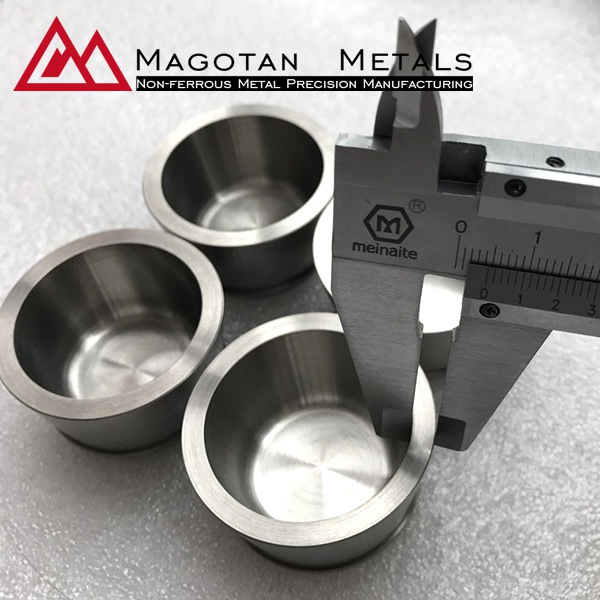
PVD operations often run at temperatures ranging from 500°C to 2,000°C, depending on the coating material and deposition method. Unlike conventional metals, refractory metals retain their structural integrity and dimensional stability at these elevated temperatures. This is critical for maintaining precise alignment of PVD components (e.g., crucibles, target holders, and shielding), which directly impacts the uniformity and quality of thin films. For semiconductor applications, where even micron-level deviations can cause device failure, this thermal resilience is non-negotiable.
Chemical Inertness to Prevent Film Contamination
PVD systems operate in high-vacuum environments, often with reactive gases like argon, nitrogen, or oxygen. Refractory metals exhibit exceptional chemical compatibility, resisting oxidation and reactions with these gases. This inertness minimizes the risk of unwanted byproducts or metal contamination in the deposited thin film— a critical factor in industries like microelectronics, where trace impurities can compromise circuit performance or reduce device lifespan.
Erosion and Wear Resistance for Long-Lasting Components
Components in direct contact with plasma or vaporized material (e.g., PVD targets, nozzles, and baffles) face intense erosion and wear. Refractory metals’ inherent hardness and durability extend the lifespan of these parts, reducing downtime for maintenance and replacement. This not only lowers operational costs but also ensures consistent PVD process performance over time— a key advantage for high-volume manufacturing facilities.
Low Vapor Pressure to Preserve Film Purity
At typical PVD operating temperatures, refractory metals have extremely low vapor pressures. This means they are unlikely to evaporate and deposit onto the substrate alongside the intended coating material. By avoiding unintended metal contamination, refractory metals safeguard the purity of the thin film, ensuring it meets the strict performance specifications required for applications like optical coatings, medical devices, and semiconductor wafers.
Precision Machinability for Complex PVD Component Designs
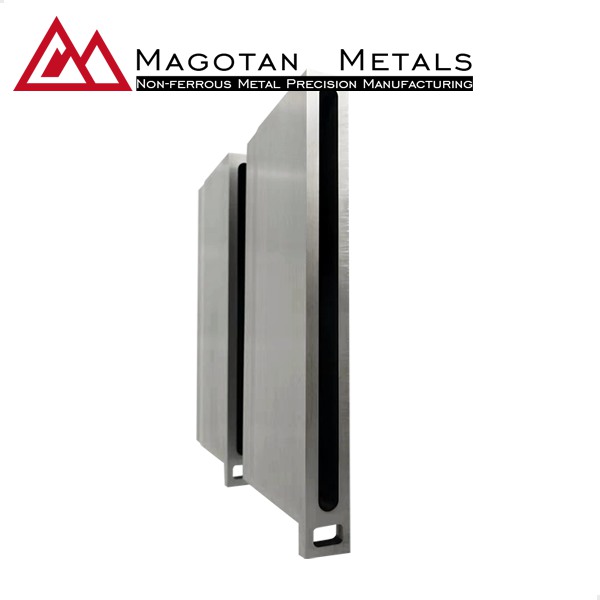
Despite their hardness, modern machining technologies (e.g., electrical discharge machining, laser cutting, and precision grinding) enable the fabrication of complex, custom geometries from refractory metals. PVD systems require intricate components—such as tapered nozzles, segmented shielding, and precision-fit target holders—to optimize vacuum flow and deposition uniformity. Refractory metals’ machinability (when paired with advanced techniques) makes these detailed designs achievable without compromising material integrity.
Why Refractory Metals Are Non-Negotiable for PVD Innovation
As PVD technology advances—with demands for thinner films, higher deposition rates, and stricter purity standards—refractory metals continue to set the benchmark for performance. Their unique combination of thermal stability, chemical inertness, wear resistance, low contamination risk, and machinability addresses the evolving needs of industries relying on PVD. Whether in semiconductor fabs producing cutting-edge microchips or manufacturers developing durable industrial coatings, refractory metals ensure PVD processes are reliable, efficient, and high-quality.
For companies investing in PVD systems, choosing refractory metal components isn’t just a preference—it’s a strategic decision to maximize process performance, reduce costs, and deliver superior end products. As the PVD industry grows, the role of refractory metals as a foundational material will only become more critical.
If you’re looking to optimize your PVD setup with high-quality refractory metal components, our team specializes in precision-machined solutions tailored to your application needs.