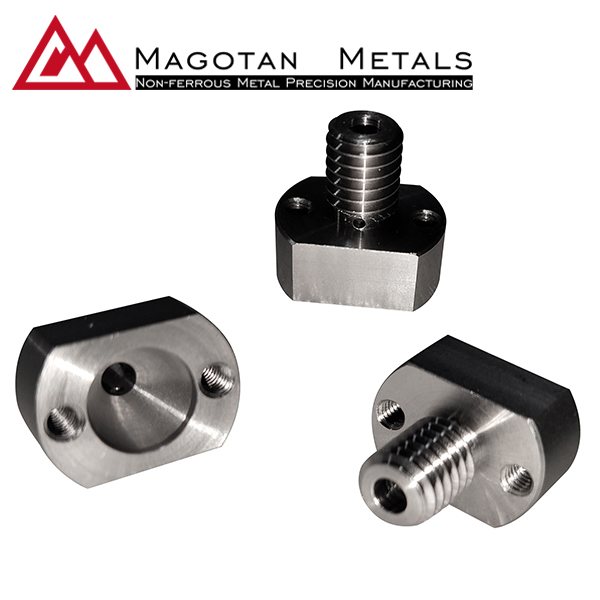
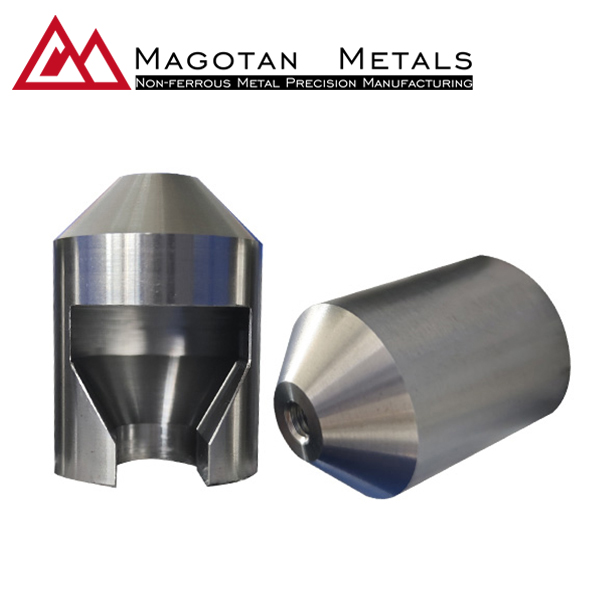
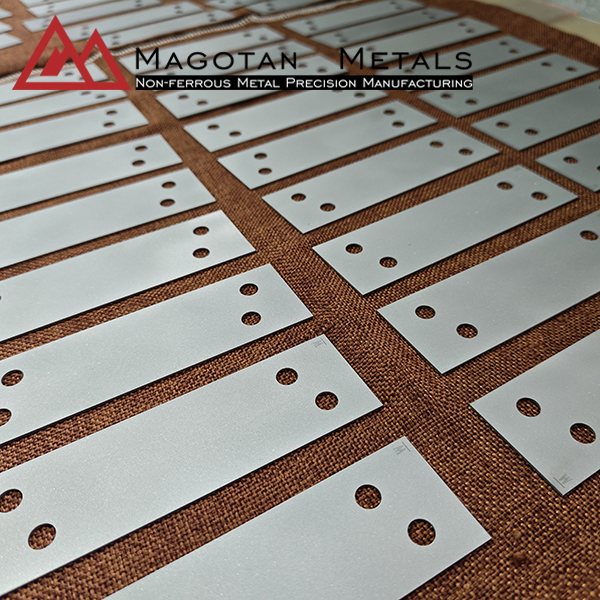
In the era of rapid development of high-end manufacturing, refractory metals represented by tungsten, molybdenum, tantalum, and niobium have become core materials in key fields due to their excellent high-temperature resistance, corrosion resistance, and mechanical strength. However, in extreme service environments such as high temperature, strong corrosion, and high wear, the surface performance of traditional refractory metal components is difficult to meet the increasingly strict application requirements. Ion implantation technology, as an advanced surface modification method, can significantly enhance the comprehensive performance of refractory metal components, further expanding their application boundaries in high-end industries.
Core Advantages of Refractory Metal Ion Implantation Components
Ion implantation technology modifies the surface of refractory metal components by accelerating specific ions (such as nitrogen, carbon, titanium, etc.) to high energy and implanting them into the surface layer of the base material. This process does not change the overall shape and size of the components, while fundamentally improving their surface performance, showing obvious advantages compared with traditional surface treatment technologies (such as electroplating, spraying).
Significantly Improved Wear Resistance
After ion implantation, the implanted ions form hard alloy phases (such as nitrides, carbides) with the matrix elements of refractory metals (tungsten, molybdenum, etc.) on the surface layer, which greatly increases the surface hardness of the components (the hardness can be increased by 2-5 times in some cases). At the same time, the surface friction coefficient is reduced, effectively reducing the wear loss during the operation of the components, and extending the service life by 3-10 times in harsh wear environments.
Enhanced Corrosion Resistance
The ion-implanted layer forms a dense and stable passive film on the surface of refractory metal components, which can block the erosion of corrosive media (such as acids, alkalis, high-temperature gases, and molten metals) on the base material. For example, after nitrogen ion implantation, the corrosion resistance of tungsten components in high-temperature oxidizing atmosphere and acidic solutions is significantly improved, solving the problem of easy oxidation and corrosion of traditional refractory metal components in harsh environments.
Excellent High-Temperature Stability
Refractory metals themselves have outstanding high-temperature resistance, and ion implantation further optimizes their high-temperature performance. The implanted alloy phases have high melting points and thermal stability, which can maintain stable structure and performance even at temperatures above 1000℃. This enables the ion-implanted refractory metal components to work stably in high-temperature scenarios such as aerospace engines and high-temperature furnaces without performance degradation due to high temperature.
No Damage to Component Precision
The ion implantation process is carried out at low temperature (usually below 300℃) and does not cause deformation, cracking, or dimensional changes to the refractory metal components. It is especially suitable for precision-customized refractory metal parts (such as precision nozzles, sensor components) that have strict requirements on shape and size, ensuring that the original precision of the components is retained while improving surface performance.
Uniform and Stable Modification Layer
The ion implantation process is controlled by precision equipment, and the implanted ions are evenly distributed in the surface layer of the components, forming a modification layer with stable thickness and performance (the thickness is usually 0.1-5 μm). The combination between the modification layer and the base material is metallurgical bonding, which avoids the problem of peeling or falling off of the coating in traditional surface treatment technologies, ensuring long-term stable use of the components.
Specific Application Fields of Refractory Metal Ion Implantation Components
Benefiting from the above core advantages, refractory metal ion implantation components have been widely used in aerospace, semiconductor, energy, medical, and other high-end industries, becoming key components to ensure the stable operation of equipment in extreme environments.
Aerospace Industry
The aerospace industry has extremely high requirements for component performance, as components need to withstand high temperature, high pressure, and severe wear during flight. Refractory metal ion implantation components (such as tungsten-molybdenum alloy engine nozzles, tantalum alloy combustion chamber parts) are widely used in aerospace engines and rocket propulsion systems. The ion-implanted layer improves their high-temperature wear resistance and corrosion resistance, ensuring the safe and reliable operation of aerospace equipment in extreme flight environments.
Semiconductor Industry
The semiconductor manufacturing process involves high-temperature annealing, plasma etching, and other links, which require precision components with high temperature resistance, corrosion resistance, and low pollution. Refractory metal ion implantation components (such as molybdenum alloy heating elements, tungsten alloy precision fixtures) are used in semiconductor equipment. The ion-implanted layer can resist the corrosion of plasma and high-temperature gases, reduce the pollution of components to semiconductor wafers, and improve the yield and quality of semiconductor products.
Energy Industry
In the energy industry, especially in nuclear energy, solar energy, and thermal power generation, components need to work in high-temperature, high-pressure, and corrosive environments for a long time. For example, in nuclear power plants, tantalum-niobium alloy components after ion implantation are used in nuclear reactors, which have excellent radiation resistance and corrosion resistance to high-temperature coolants; in solar thermal power generation systems, tungsten alloy heat exchange components after ion implantation have improved high-temperature thermal conductivity and wear resistance, enhancing the efficiency and stability of energy conversion.
Medical Equipment Industry
With the development of minimally invasive medical technology, medical equipment has higher requirements for the biocompatibility, corrosion resistance, and wear resistance of components. Refractory metal ion implantation components (such as titanium-plated tungsten alloy surgical instruments, molybdenum alloy medical sensors) are used in medical equipment. The ion-implanted layer improves the biocompatibility of the components (reducing the rejection reaction with human tissues) and corrosion resistance (resisting the erosion of body fluids and disinfectants), ensuring the safety and durability of medical equipment.
High-Temperature Furnace and Metallurgical Industry
In high-temperature furnaces (such as vacuum sintering furnaces, crystal growth furnaces) and metallurgical production, refractory metal components (such as furnace heating elements, crucibles, and guide rails) are in high-temperature and wear environments for a long time. After ion implantation, their high-temperature wear resistance and oxidation resistance are significantly improved, reducing the frequency of component replacement, lowering production costs, and improving production efficiency.
Future Development Trend of Refractory Metal Ion Implantation Technology
With the continuous upgrading of high-end manufacturing industries such as aerospace, semiconductor, and new energy, the demand for high-performance refractory metal components is increasing, and ion implantation technology, as a key surface modification method, will show broader development prospects. In the future, the technology will develop in the direction of multi-ion co-implantation (to achieve more comprehensive performance optimization), precise control of implantation depth and concentration (to meet personalized needs of different industries), and combination with other surface technologies (such as PVD coating) to further improve the comprehensive performance of refractory metal components.
Our factory focuses on the customization and processing of refractory metal components, and has mature ion implantation surface modification technology, which can provide high-quality ion-implanted refractory metal components for customers in various industries according to their specific application scenarios and performance requirements. We adhere to the concept of “precision customization and high-performance guarantee”, and use advanced technology to help customers improve the reliability and service life of their products, creating greater value for the development of high-end manufacturing industries.