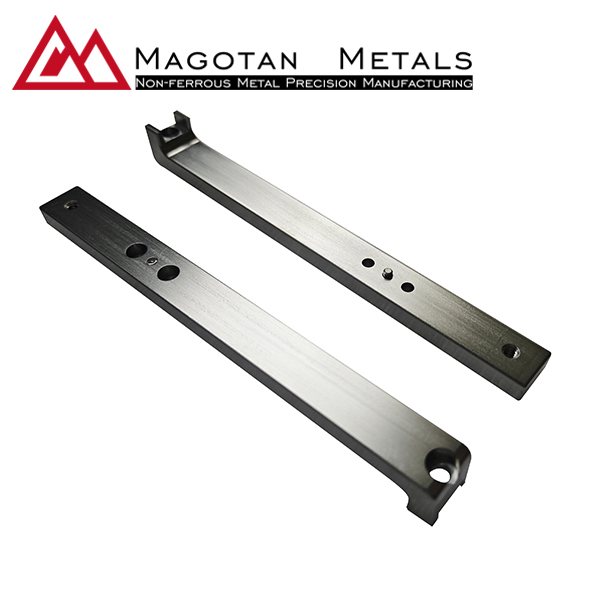
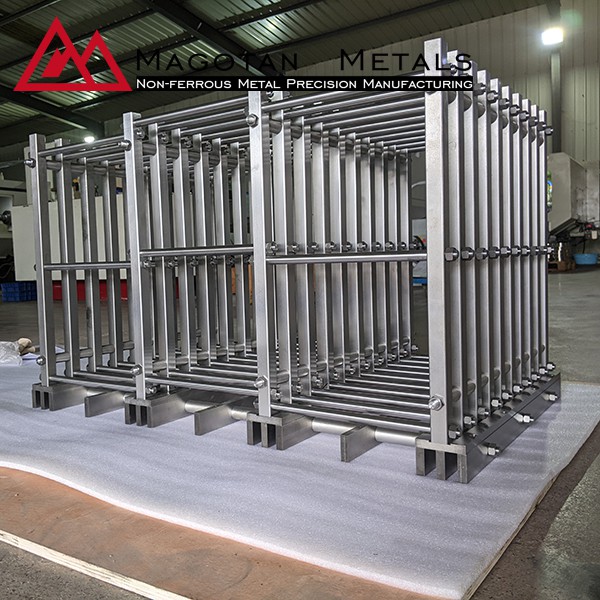
Vacuum furnaces operate under extreme conditions—high temperatures, low-pressure environments, and corrosive or reactive atmospheres—demanding materials with exceptional stability and performance. Refractory metals, known for their ultra-high melting points, superior mechanical strength, and excellent chemical inertness, have become the preferred choice for critical vacuum furnace components. This article explores their key applications and inherent advantages in this high-stakes industrial field.
Key Applications of Refractory Metals in Vacuum Furnace Components
Refractory metals (tungsten, molybdenum, tantalum, niobium, and their alloys) are widely used in core vacuum furnace parts, covering heating, load-bearing, insulation, and gas-control systems. Below are the most typical application scenarios:
Heating Elements & Heating Assemblies
Heating elements are the core of vacuum furnaces, requiring materials that can withstand continuous high temperatures (1600°C–2800°C) without deformation or volatilization. Molybdenum (Mo) and tungsten (W) are the primary choices here:
– Molybdenum heating elements: Suitable for medium-high temperature vacuum furnaces (up to 2000°C), widely used in heat treatment of metals, ceramic sintering, and semiconductor processing due to their good thermal conductivity and formability.
– Tungsten heating elements: Ideal for ultra-high temperature vacuum furnaces (up to 2800°C), applied in aerospace alloy melting, refractory material testing, and advanced material synthesis, thanks to the highest melting point (3422°C) among all metals.
– Alloys like Mo-La alloy (molybdenum-lanthanum) and W-Th alloy (tungsten-thorium) further enhance high-temperature creep resistance and service life, reducing element deformation under long-term operation.
Load-Bearing & Structural Components
Vacuum furnace components such as hearth plates, crucibles, support frames, and guide rails need to bear loads while resisting high-temperature oxidation and thermal shock. Tantalum (Ta), niobium (Nb), and molybdenum alloys excel in this category:
– Hearth plates & crucibles: Tantalum crucibles are used for melting high-purity metals (e.g., titanium, zirconium) and rare earth materials, as tantalum’s chemical inertness prevents contamination of molten materials even at 1800°C. Molybdenum alloy hearth plates are widely adopted in batch heat treatment furnaces for their high-temperature strength and low thermal expansion coefficient.
– Support frames & guide rails: Niobium alloys (e.g., Nb-Ti-Zr) are suitable for structural parts in medium-temperature vacuum furnaces, balancing lightweight properties with good high-temperature stability, reducing furnace energy consumption while ensuring structural rigidity.
Insulation & Shielding Components
Thermal insulation and vacuum shielding components (e.g., insulation screens, radiation shields) play a vital role in maintaining furnace temperature uniformity and reducing heat loss. Molybdenum and tungsten foils/sheets are the main materials:
– Multi-layer insulation screens: Composed of thin molybdenum or tungsten foils, these screens reflect radiant heat, improving furnace thermal efficiency by 30%–50% compared to traditional insulation materials. They are lightweight, non-volatile, and compatible with high-vacuum environments.
– Vacuum shielding parts: Tungsten-based shielding components prevent heat leakage from furnace chambers, ensuring stable vacuum levels and temperature distribution, critical for precision heat treatment processes (e.g., aerospace part hardening).
Gas-Control & Sealing Components
Valves, nozzles, and sealing rings in vacuum furnaces require materials with good airtightness, corrosion resistance, and high-temperature durability. Tantalum and niobium alloys are preferred for these parts:
– Valves & nozzles: Tantalum valves are used in gas inlet/outlet systems, resisting corrosion from reactive gases (e.g., hydrogen, nitrogen) at high temperatures, ensuring reliable gas flow control without leakage.
– Sealing components: Niobium alloy sealing rings maintain airtightness under cyclic temperature changes (room temperature to 1200°C), avoiding vacuum failure caused by material fatigue or deformation.
Core Advantages of Refractory Metals for Vacuum Furnace Applications
Refractory metals’ dominance in vacuum furnace components stems from their unique material properties that perfectly match the harsh operating conditions of vacuum furnaces. The key advantages are as follows:
Ultra-High Melting Points for Extreme Temperature Resistance
All refractory metals have melting points exceeding 2000°C (tungsten: 3422°C, tantalum: 3017°C, molybdenum: 2623°C, niobium: 2468°C), far higher than conventional metals (e.g., steel: ~1538°C, aluminum: 660°C). This allows them to operate stably in ultra-high temperature vacuum environments without melting, softening, or significant deformation—an irreplaceable advantage for high-temperature processes like metal melting and advanced material sintering.
Excellent Chemical Inertness in Vacuum/Corrosive Atmospheres
Vacuum furnaces often involve reactive gases (e.g., hydrogen, argon) or corrosive media, and refractory metals exhibit strong chemical stability under such conditions:
– They rarely react with oxygen, nitrogen, or hydrogen at high temperatures in vacuum, avoiding oxidation, nitridation, or hydridation that would degrade component performance.
– Tantalum and niobium are highly resistant to most acids (except hydrofluoric acid) and molten metals, preventing contamination of processed materials—critical for producing high-purity products (e.g., semiconductors, medical devices).
Superior High-Temperature Mechanical Strength & Creep Resistance
Creep (permanent deformation under long-term high-temperature load) is a major failure risk for vacuum furnace components. Refractory metals maintain high tensile strength and hardness at elevated temperatures:
– Molybdenum alloys retain ~80% of their room-temperature strength at 1600°C, while tungsten alloys resist creep even at 2000°C.
– This ensures components like heating elements, hearth plates, and support frames have long service lives (often 5–10 times longer than ceramic or conventional metal alternatives) under continuous high-temperature operation, reducing maintenance costs and downtime.
Good Thermal Conductivity & Temperature Uniformity
Refractory metals (especially molybdenum and tungsten) have excellent thermal conductivity, enabling efficient heat transfer and uniform temperature distribution in vacuum furnaces:
– Heating elements made of these metals heat up quickly and distribute heat evenly, avoiding local overheating or cold spots—essential for precision heat treatment (e.g., annealing, quenching) that requires strict temperature control.
– Thermal conductivity also helps reduce energy consumption, as heat is transferred efficiently to processed materials rather than wasted.
High Formability & Customizability for Diverse Components
Refractory metals can be processed into various forms (foils, sheets, rods, tubes, complex castings, and machined parts) through rolling, forging, machining, and welding. This flexibility allows manufacturers to customize components according to specific vacuum furnace designs—whether small heating elements, large hearth plates, or complex structural parts—meeting the diverse needs of different industries (aerospace, automotive, semiconductor, medical).
Conclusion
Refractory metals’ unique combination of ultra-high melting points, chemical inertness, high-temperature strength, and formability makes them indispensable for vacuum furnace components. From heating elements to structural parts, they enhance furnace performance, ensure process stability, and improve the quality of processed materials—driving advancements in high-temperature industrial processes. As industries like aerospace, semiconductor, and advanced manufacturing demand higher temperatures and stricter precision, refractory metals will continue to play a key role in optimizing vacuum furnace technology, with alloy development (e.g., high-strength molybdenum alloys, corrosion-resistant tantalum alloys) further expanding their application scope.