Refractory metals, renowned for their exceptional high-temperature resistance, corrosion resistance, and mechanical strength, occupy an irreplaceable position in high-end manufacturing fields such as aerospace, electronics, and nuclear energy. As the core link of the refractory metals industry chain, the fabricated parts sector undertakes the task of transforming raw materials into functional components, and its technological level directly determines the application scope and performance of refractory metals. This article will interpret the core knowledge of the refractory metals fabricated parts industry from multiple dimensions.
Core Categories of Refractory Metals for Fabricated Parts
Refractory metals mainly refer to metals with a melting point above 2000°C, and the ones commonly used in fabricated parts production are limited to a few types due to processing difficulty and cost factors. Each type has unique properties that adapt to specific application scenarios.
Tungsten and Tungsten Alloys
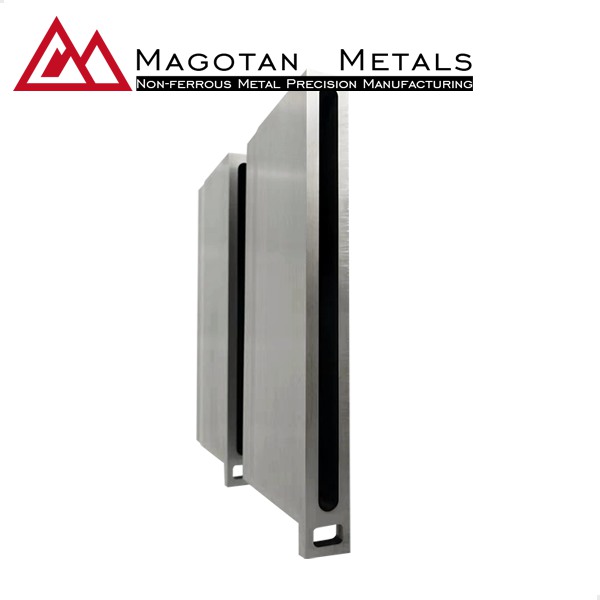
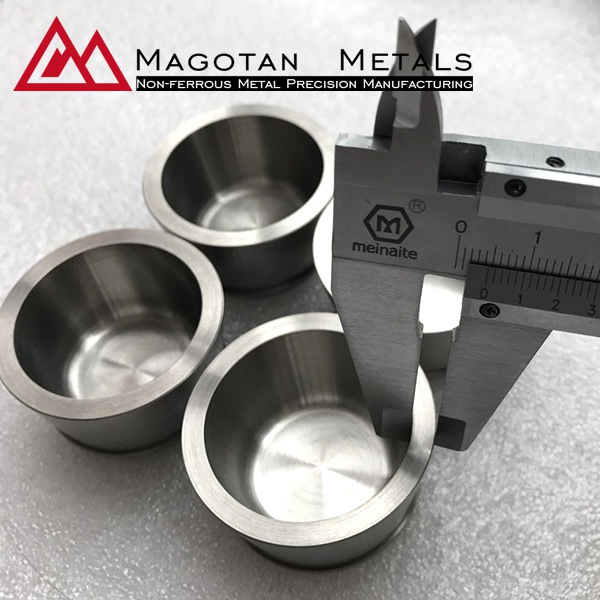
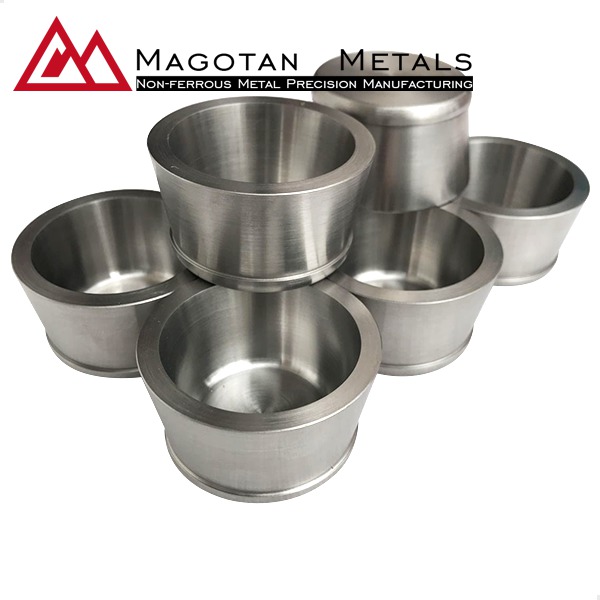
With a melting point of 3410°C, tungsten is the metal with the highest melting point in nature. Tungsten fabricated parts, such as tungsten electrodes, tungsten crucibles, and tungsten heat sinks, are widely used in aerospace engines, semiconductor manufacturing, and nuclear reactors. Tungsten alloys, typically reinforced with elements like nickel, iron, or copper, improve the ductility and machinability of pure tungsten while retaining its high-temperature stability. For example, tungsten-nickel-iron alloys are used to produce high-density counterweights and radiation shielding parts.
Molybdenum and Molybdenum Alloys
Molybdenum has a melting point of 2620°C, excellent thermal conductivity, and low thermal expansion coefficient. Molybdenum fabricated parts, including molybdenum plates, molybdenum rods, and molybdenum boats, are indispensable in vacuum coating, glass manufacturing, and electronic tube production. Molybdenum alloys like molybdenum-titanium-zirconium (TZM) alloy have higher high-temperature strength and creep resistance than pure molybdenum, making them ideal materials for aerospace structural parts and high-temperature furnace components.
Tantalum and Tantalum Alloys
Tantalum boasts a melting point of 2996°C and outstanding corrosion resistance, being inert to most acids (except hydrofluoric acid). Tantalum fabricated parts, such as tantalum capacitors, tantalum tubes, and tantalum liners, are widely applied in the electronics industry, chemical equipment, and medical devices. Tantalum capacitors, with high capacitance density and reliability, are core components in military electronics and aerospace equipment. Tantalum alloys, reinforced with niobium or tungsten, further enhance mechanical properties for harsh environment applications.
Niobium and Niobium Alloys
Niobium has a melting point of 2468°C, good ductility at room temperature, and excellent superconducting properties. Niobium fabricated parts are mainly used in superconducting magnets, aerospace engines, and nuclear fusion devices. Niobium-titanium alloys are the most commonly used superconducting materials for magnetic resonance imaging (MRI) equipment, while niobium-zirconium alloys are applied in nuclear reactor fuel cladding due to their neutron absorption resistance.
Key Processing Technologies for Refractory Metals Fabricated Parts
Due to the high melting point, high hardness, and poor ductility of refractory metals, their processing is much more difficult than that of conventional metals. The fabrication process often combines multiple technologies to ensure the precision and performance of parts.
Powder Metallurgy Technology
Powder metallurgy is the primary process for producing refractory metal fabricated parts, suitable for mass production of complex-shaped components. The process involves powder preparation, pressing, sintering, and post-processing. Refractory metal powders are usually prepared by hydrogen reduction or electrolysis. After pressing into blanks, sintering is carried out at high temperatures (usually 1500-2500°C) under vacuum or inert gas protection to densify the blanks. This technology can avoid the difficulty of melting refractory metals and ensure uniform material structure.
Machining Technology
Refractory metals have high hardness and wear resistance, making conventional machining methods inefficient. Therefore, special machining technologies are adopted, such as electrical discharge machining (EDM), electrochemical machining (ECM), and laser machining. EDM uses electrical sparks to erode materials, suitable for processing complex-shaped parts like tungsten nozzles and molybdenum dies. ECM relies on electrochemical reactions to remove material, ensuring high surface finish and no tool wear, which is widely used in precision machining of tantalum and niobium parts. Laser machining, with high energy density, can realize cutting, drilling, and welding of refractory metals, but it requires strict control of parameters to avoid material oxidation and cracking.
Application Fields and Industry Trends
Refractory metals fabricated parts are closely linked to high-end manufacturing industries, and their market demand is driven by technological progress in aerospace, electronics, and new energy fields.
Core Application Fields
In the aerospace field, refractory metal parts are used in engine combustion chambers, turbine blades, and satellite structural components due to their high-temperature resistance. For example, molybdenum alloy parts are applied in rocket engine nozzles. In the electronics industry, tantalum capacitors, tungsten heat sinks, and niobium superconducting magnets are core components of smartphones, semiconductors, and medical equipment. In the nuclear energy field, tungsten and tantalum parts are used in nuclear reactors as radiation shielding and fuel cladding materials. Additionally, refractory metal parts are widely used in chemical equipment, glass manufacturing, and military industries.
Industry Development Trends
The refractory metals fabricated parts industry is moving towards high precision, customization, and green production. With the development of aerospace and semiconductor industries, the demand for high-precision and complex-shaped parts is increasing, prompting enterprises to upgrade machining technologies and improve precision control capabilities. Customization services are becoming a core competitiveness, as different industries have unique requirements for part performance and specifications. Meanwhile, green production has become a trend, with enterprises focusing on reducing energy consumption in sintering and machining processes, developing environmentally friendly surface treatment technologies, and improving material utilization rates. In addition, the development of new refractory alloys, such as high-entropy refractory alloys, will expand the application scope of fabricated parts and drive industry upgrading.
In conclusion, the refractory metals fabricated parts industry, supported by core technologies and driven by high-end manufacturing demand, has broad development prospects. Enterprises need to strengthen technological innovation, optimize processing processes, and adapt to market changes to gain a competitive edge in the industry.