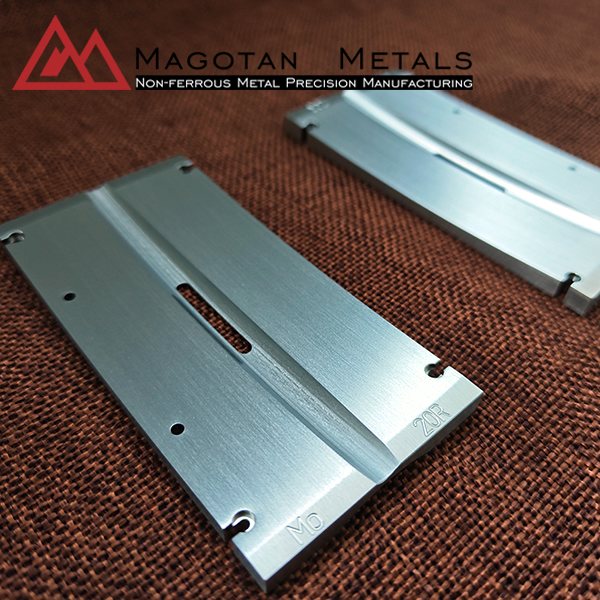
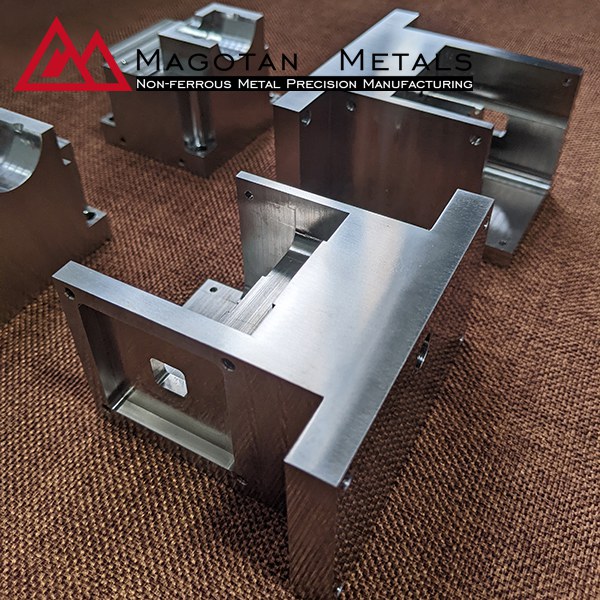
Vacuum furnaces are critical equipment in high-temperature processing industries such as aerospace, automotive, electronics, and metallurgy. Their reliability, temperature uniformity, and corrosion resistance largely depend on the quality of core components, especially those made from refractory metals. As a professional manufacturer of custom refractory metal machined parts, we specialize in producing high-performance vacuum furnace components custom-manufactured based on customer drawings to meet specific industrial requirements. applications.
Key Refractory Metal Components in Vacuum Furnaces
Refractory metals—including tungsten, molybdenum, tantalum, niobium, and their alloys—are ideal for vacuum furnace components due to their exceptional high-temperature strength, low vapor pressure, and excellent chemical stability in vacuum environments. Below are the most critical custom components we supply for vacuum furnace systems:
Heating Elements & Heating Assemblies
Heating elements are the heart of vacuum furnaces, requiring materials that can withstand extreme temperatures (up to 2800°C for tungsten) without significant oxidation or deformation. Our custom heating elements, made from molybdenum disilicide (MoSi₂), tungsten, or molybdenum alloys, are engineered to provide uniform heat distribution and long service life. We offer tailored designs such as coiled elements, rod elements, and sheet heating assemblies, adapted to the specific chamber size and temperature requirements of our clients’ vacuum furnaces.
Vacuum Furnace Crucibles & Crucible Supports
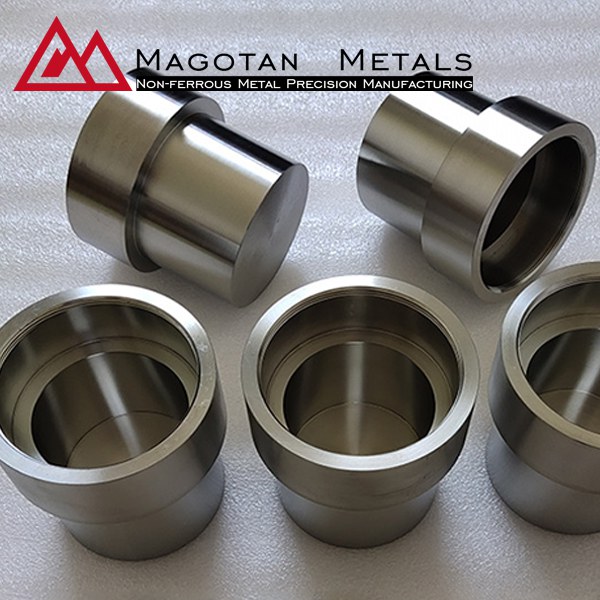
Crucibles used in vacuum furnaces for melting or sintering high-temperature materials must resist thermal shock and chemical reaction with the processed materials. Our custom refractory metal crucibles—fabricated from tantalum, niobium, or tungsten—are designed for applications such as melting superalloys, rare earth metals, and advanced ceramics. We also provide matching crucible supports made from molybdenum or tungsten alloys, ensuring stable placement and heat resistance during high-temperature operations.
Thermal Insulation Systems & Shielding Plates
Effective thermal insulation is essential for maintaining temperature stability and energy efficiency in vacuum furnaces. We produce custom thermal insulation components such as molybdenum foil shields, tungsten fiber insulation mats, and tantalum radiation shields. These components minimize heat loss, improve temperature uniformity within the furnace chamber, and are tailored to fit different furnace designs (horizontal, vertical, or batch-type).
Fixtures & Baskets for Heat Treatment
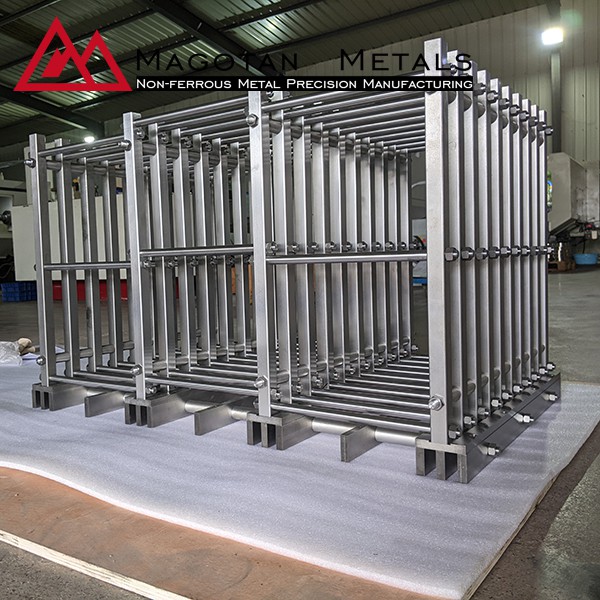
Fixtures and baskets used to hold workpieces during vacuum heat treatment must maintain structural integrity at high temperatures. Our custom fixtures—manufactured from molybdenum, tungsten, or their alloys—include shelves, racks, and baskets with precise dimensions to accommodate various workpiece shapes and sizes. These components are designed to resist warping and creep, ensuring consistent performance in repeated high-temperature cycles.
Why Refractory Metals Are Superior for Vacuum Furnace Components
Refractory metals offer unique properties that make them indispensable for vacuum furnace applications, outperforming conventional materials such as stainless steel or ceramic in extreme conditions. The key advantages include:
Exceptional High-Temperature Resistance
Refractory metals have extremely high melting points (tungsten: 3422°C, molybdenum: 2623°C, tantalum: 3017°C), allowing them to operate reliably at temperatures exceeding 2000°C—critical for advanced heat treatment, sintering, and melting processes in vacuum furnaces.
Low Vapor Pressure in Vacuum Environments
In high-vacuum conditions, low vapor pressure prevents material evaporation, which could contaminate the workpiece or degrade furnace performance. Refractory metals have minimal vapor pressure at elevated temperatures, ensuring clean processing and long component life.
Excellent Chemical Stability
Refractory metals are resistant to corrosion and chemical reaction with most metals, ceramics, and gases in vacuum environments. This stability is crucial for processing reactive materials such as titanium, aluminum, and rare earth elements without contamination.
High Strength & Creep Resistance
Unlike many materials that lose strength at high temperatures, refractory metals maintain excellent mechanical strength and resist creep (permanent deformation) even under prolonged exposure to extreme heat, ensuring structural integrity of furnace components.
Custom Refractory Metal Machining for Vacuum Furnace Components
Every vacuum furnace application has unique requirements based on chamber size, temperature range, processed materials, and operational cycles. Our custom manufacturing capabilities enable us to deliver tailored solutions that meet these specific needs:
Precision Machining & Fabrication
We utilize advanced machining technologies—including CNC turning, milling, grinding, and EDM (Electrical Discharge Machining)—to produce refractory metal components with tight tolerances (up to ±0.001mm). This precision ensures seamless integration of custom components into existing vacuum furnace systems.
Material Selection & Alloy Customization
Based on our clients’ application requirements, we recommend the optimal refractory metal or alloy (e.g., molybdenum-tungsten alloy, tantalum-niobium alloy) to balance performance, cost, and service life. We also provide material testing and certification to ensure compliance with industry standards (ASTM, AMS).
Prototyping & Small-Batch Production
We support prototyping and small-batch production for custom vacuum furnace components, allowing clients to test designs and optimize performance before full-scale production. Our flexible manufacturing process ensures quick turnaround times for prototypes and small orders.
Surface Treatment & Finishing
To enhance performance and corrosion resistance, we offer custom surface treatments such as passivation, coating (e.g., aluminum oxide, zirconium oxide), and polishing. These treatments improve component durability and prevent contamination in critical applications.
Optimizing Vacuum Furnace Performance with Custom Refractory Metal Components
Investing in custom refractory metal components can significantly improve the performance, efficiency, and lifespan of vacuum furnaces. Key optimization benefits include:
-
Enhanced temperature uniformity, reducing workpiece defects and improving product quality
-
Extended component service life, minimizing downtime and maintenance costs
-
Improved energy efficiency, as high-performance insulation and heating elements reduce heat loss
-
Compatibility with a wider range of processed materials, enabling expanded application capabilities
Conclusion
Refractory metal components are essential for achieving high performance and reliability in vacuum furnace operations. As a leading provider of custom refractory metal machined parts, we combine technical expertise, advanced manufacturing capabilities, and tailored solutions to meet the unique needs of our clients in aerospace, automotive, electronics, and other high-temperature processing industries. Whether you require custom heating elements, crucibles, insulation systems, or fixtures, our team is dedicated to delivering high-quality components that optimize your vacuum furnace performance.
Contact us today to discuss your custom refractory metal vacuum furnace component requirements and discover how our solutions can enhance your industrial processes.